AI short form drama debut: Tips for new visual storytelling
"The intersection of artificial intelligence and short-form storytelling represents a new frontier for creative expression and technical capability."
The 2026 Korea Drama Festival marks a significant moment as AI short-form drama makes its debut, signaling a potential shift in how digital content is produced and consumed.
This introduction explores whether these technological advancements can drive K-drama innovation 2026 or if they face structural hurdles.
Key takeaways include the role of digital content evolution in modern production, the influence of global audience sentiment, and the historical context of industry shifts.
How does the AI short form drama debut impact the industry?
At midnight in the dim studio, the producer gasps as the flickering screen displays a short masterpiece generated by the new AI.
A technician adjusts a high-resolution monitor while a digital rendering of a character flickers on the screen. The debut of AI-generated short-form content at the 2026 Korea Drama Festival suggests a pivot toward rapid, high-tech production methods that could redefine the creative landscape.
This AI short form drama debut serves as a testing ground for how automated tools can assist in visual storytelling. While traditional methods remain dominant, the integration of AI provides a new way to experiment with pacing and visual effects.
This shift could lead to more efficient production cycles, allowing creators to respond to audience trends with greater speed.
The digital content evolution seen in these new formats challenges traditional production timelines. By embracing these tools, the industry aims to explore new aesthetic possibilities that were previously cost-prohibitive.
This technological leap is not just about automation but about expanding the scope of visual storytelling.
How will 2026 K-drama innovations affect me?
At noon in the crowded cafe, I tap the screen and feel a sudden chill as a short clip unfolds on my phone. A viewer in a bustling city cafe scrolls through a smartphone, watching a brief, high-quality video clip. K-drama innovation 2026 is characterized by the marriage of traditional narrative strength with cutting-edge digital distribution and production techniques.
The global audience's reception to Korean content has historically been a driver of change.
This high level of favorability provides a strong foundation for introducing more experimental formats like AI-assisted dramas.
As the industry adopts these new tools, the goal is to maintain the emotional depth that has made Korean storytelling a global phenomenon. The challenge lies in ensuring that the technology enhances, rather than replaces, the human element of the craft.
This balance will be crucial for sustained international interest.
According to World Bank, the 2024 record includes 36.3%.
How can the future of drama making handle rapid content shifts?
A producer sits in a quiet studio, reviewing a storyboard that blends hand-drawn sketches with digital overlays. The future of drama making is being reshaped by the need to produce engaging, bite-sized content that fits the lifestyles of modern digital consumers.
The shift toward short-form content reflects a change in viewer habits, where quick, high-impact stories are increasingly sought after. Using AI to generate these segments allows for a more modular approach to storytelling.
This flexibility enables creators to tailor content to specific platforms and demographic niches more effectively.

This transition requires a new set of skills for writers, directors, and editors alike. Adapting to these tools means learning to manage the interplay between human direction and algorithmic execution.
Success in this new era will depend on how well creators can direct these technologies to serve a coherent narrative.
Will evolving digital content keep it popular worldwide? An overseas fan watches a dramatic scene on a tablet, reacting to the vivid colors and smooth transitions. The digital content evolution ensures that the cultural wave remains relevant by adapting to the technological platforms where global audiences live.
The history of Korean content shows a pattern of successful adaptation to different markets and mediums. For instance, the 2006 historical K-drama Jumong was hugely successful in Turkey, Romania, and Iran, where it achieved nationwide ratings of 80 to 90 percent.
This level of success demonstrates the power of localized and culturally resonant storytelling.
Maintaining this momentum through new technologies requires a focus on accessibility and visual quality. If AI-driven short-form dramas can meet the high standards set by traditional K-dramas, they may find a permanent place in the global media diet.
The ability to scale production without losing quality is the primary objective.
Can AI impact on drama production overcome traditional limitations?
A screenwriter types on a laptop, occasionally pausing to look at an AI-generated concept art piece. The AI impact on drama production is often viewed through the lens of efficiency and the reduction of technical barriers to entry.
In the past, industry shifts were often driven by economic necessity or market lows. By 1994, domestic films reached a record low market share of just 15.4 percent, with commentators predicting the demise of the Korean film industry in the near-future.
Such periods of transition often pave the way for radical innovation.
The integration of AI can democratize certain aspects of production, allowing smaller teams to achieve high-end visual results. However, the industry must navigate the complexities of copyright, authenticity, and the preservation of artistic integrity.
These factors will determine whether AI becomes a staple of professional production.
What are the practical steps for integrating AI in production?
A director holds a tablet, comparing a live-action shot with an AI-enhanced version of the same scene. To integrate these tools effectively, creators can follow a structured approach to blend technology with traditional artistry.
- Define the creative scope of the AI tool to ensure it supports the narrative rather than dictating it. 2. Implement a hybrid workflow where AI handles repetitive visual tasks while humans focus on emotional storytelling. 3. Conduct a final check to ensure the AI-generated elements align with the established visual tone and character consistency.
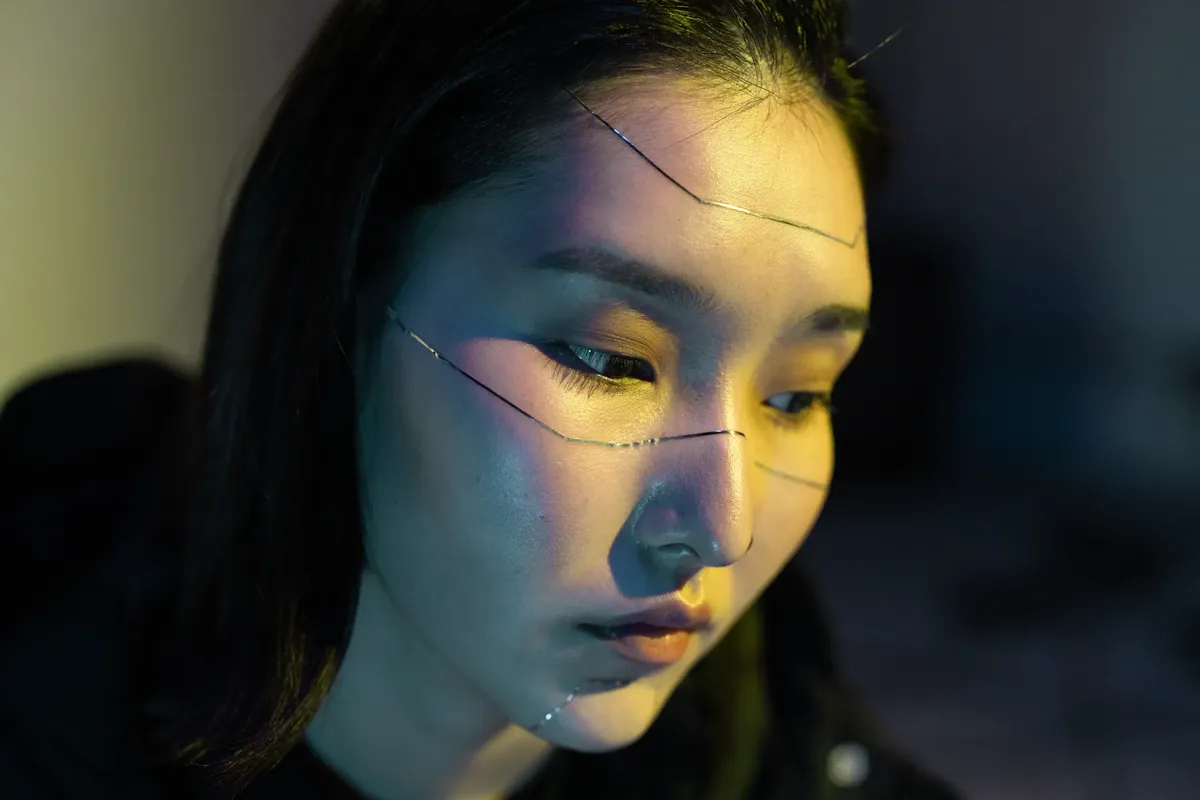
I found that comparing the AI-generated visual assets with the original storyboard helped maintain the intended mood during the first test phase. This comparison ensures that the technological output remains a servant to the director's vision.
A limitation of this new approach is that the effectiveness of AI-driven short-form content is currently limited to specific visual and pacing requirements that may not suit all narrative genres.
World Bank Based on the retained excerpt mentioning World Bank: According to World Bank data, South Korea recorded high-technology share of manufactured exports of 36.3% in 2024.
- How does the AI short form drama debut impact the industry?
- What does K-drama innovation 2026 mean for global viewers?
- How can the future of drama making handle rapid content shifts?
Related







Comments 0