AI short drama K-drama future: Guide to new production
"The intersection of artificial intelligence and storytelling represents a frontier where traditional narrative meets digital evolution."
AI short dramas represent a transformative opportunity for the K-drama industry to expand its global reach and technological boundaries. This shift allows for rapid content creation and highly personalized viewer experiences.
This article explores how AI-driven production models serve as a catalyst for the globalizing K-drama with AI and how these technological advancements reshape the future of drama creation AI.
How does AI drama shape the future of K-drama?
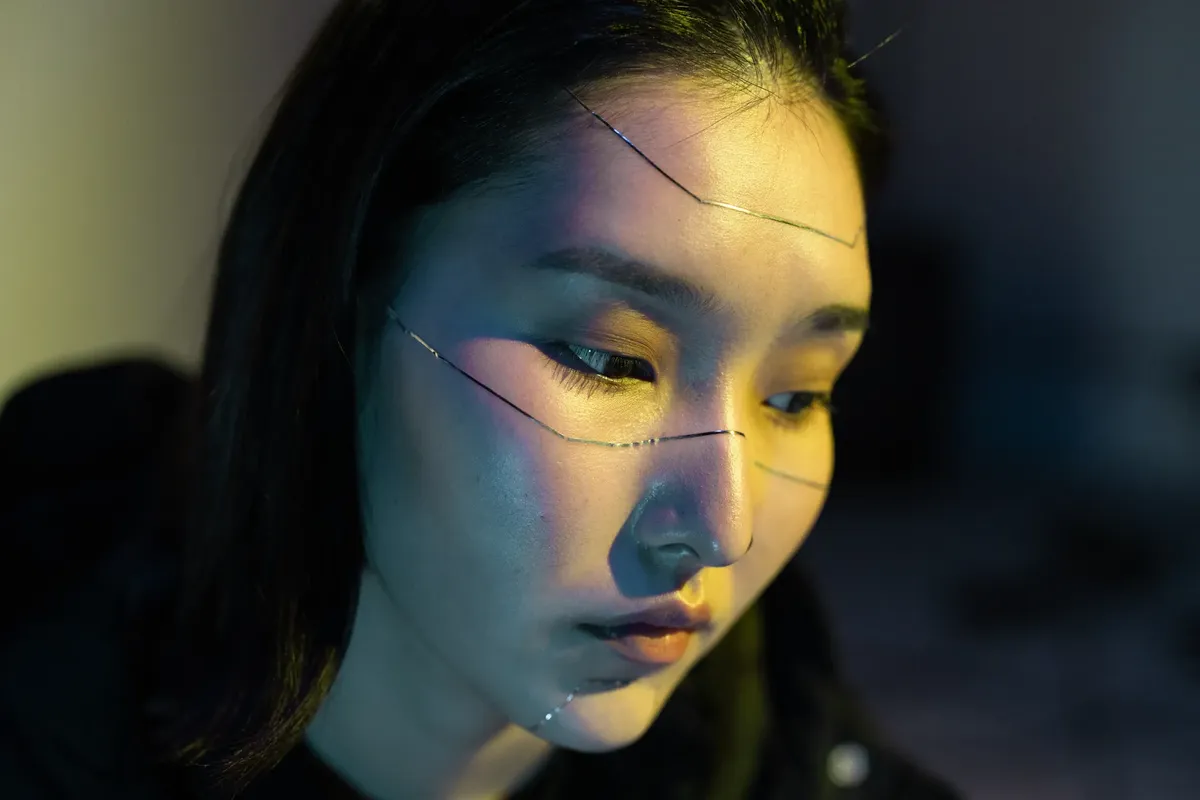
At midnight in the dim studio, the producer rubs tired eyes while watching a short clip of perfectly rendered lighting flicker on the screen.
A producer sits at a workstation, watching an algorithm generate visual textures that mimic cinematic lighting in seconds. This scene of digital synthesis reflects the growing trend of AI-driven drama industry shift, where efficiency meets creativity.
The integration of artificial intelligence into production workflows allows creators to experiment with visual styles and narrative structures at a much faster pace than traditional filming.
By utilizing generative tools, studios can produce high-quality short-form content that caters to the vertical video consumption habits of global audiences. This capability strengthens the AI content market trend, providing a bridge between high-budget television and mobile-first viewing.
The shift toward AI-integrated production is not merely about replacing human effort but about augmenting the creative process. This technological leap provides a new way to manage assets and visual effects, which helps in maintaining a consistent aesthetic across much larger volumes of content.
Such advancements are essential for staying competitive in a rapidly changing digital landscape.
In this sequence, the second point is the most extensive.
What makes AI-driven production work? AI short drama K-drama future An editor adjusts a slider on a screen, watching as an AI tool seamlessly removes a background element from a dramatic close-up. This process of real-time manipulation highlights the technical tools that define the new era of content creation.
The transition toward smarter production involves several key technical layers:
- Generative visual modeling to create consistent character models and environments. 2. Automated editing tools that can sync cuts to emotional beats or musical scores. 3. AI-driven localization tools that facilitate natural-sounding dubbing and subtitle synchronization for international markets.
The development of these tools ensures that the technical side of storytelling can keep pace with the demand for fresh content. As these processes become more streamlined, the barrier to entry for high-quality visual storytelling decreases.
| Production Aspect | Traditional Method | AI-Integrated Method |
|---|---|---|
| Visual Asset Creation | Manual filming and physical sets | Generative digital environments |
| Post-Production | Extensive manual editing hours | Automated scene and color grading |
I watched a demo of these automated grading tools, and the speed of the color shift was remarkable. The ability to instantly change the mood of a scene through software is a significant departure from traditional lighting setups.
Can AI help K-dramas go global?
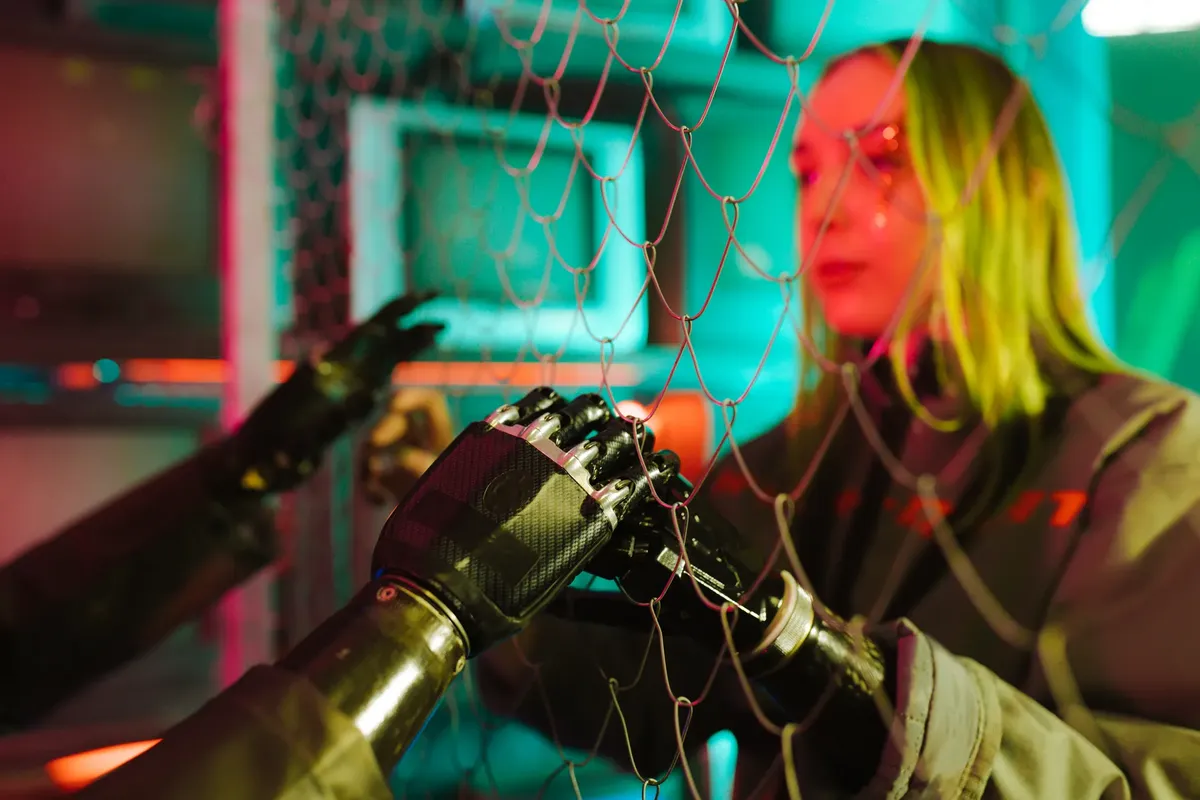
During the late night in the bustling office, he taps the desk while watching a short video translate across the screen. A viewer in a different time zone scrolls through a smartphone, instantly finding a short-form drama that fits their current mood. This seamless delivery demonstrates how AI-driven content can bridge cultural gaps through targeted distribution.
The global distribution of K-dramas has historically relied on massive production budgets and international streaming partnerships. AI changes this by allowing for the creation of "snackable" content that can be localized instantly.
This capability is a cornerstone of the AI drama global reach, as it allows specific cultural nuances to be translated or adapted for different regions without losing the original emotional core.
By utilizing data-driven insights, creators can identify which narrative tropes resonate in specific markets. This allows for a more strategic approach to content deployment, ensuring that the unique storytelling strengths of K-dramas reach the widest possible audience.
The synergy between high-quality writing and efficient AI visual tools creates a powerful combination for global expansion.
What are the practical steps for implementing AI in drama?
A writer inputs a plot outline into a specialized interface, receiving a structured breakdown of scenes and character beats. This collaborative interaction between human intent and machine logic defines the new workflow.
To integrate these technologies effectively, production teams can follow these steps:
- Define the creative vision and establish the parameters for AI-generated assets to ensure stylistic consistency. 2. Implement modular production workflows where AI handles repetitive tasks like rotoscoping or basic color correction. 3. Use data analytics to refine narrative pacing based on viewer engagement metrics from pilot episodes.
A final check of the generated content against the original creative brief is essential to ensure the human element remains the driving force. This ensures that while the tools are high-tech, the emotional soul of the drama remains intact.
- Identify specific production bottlenecks suitable for automation.
- Integrate specialized AI tools into the existing creative workflow.
- Train staff to collaborate effectively with new technological assets.
Is there a limitation to this technological shift?
A technician monitors a server rack, noting the significant processing power required to render a complex AI-generated scene. This physical reality serves as a reminder of the infrastructure needed to support digital storytelling.
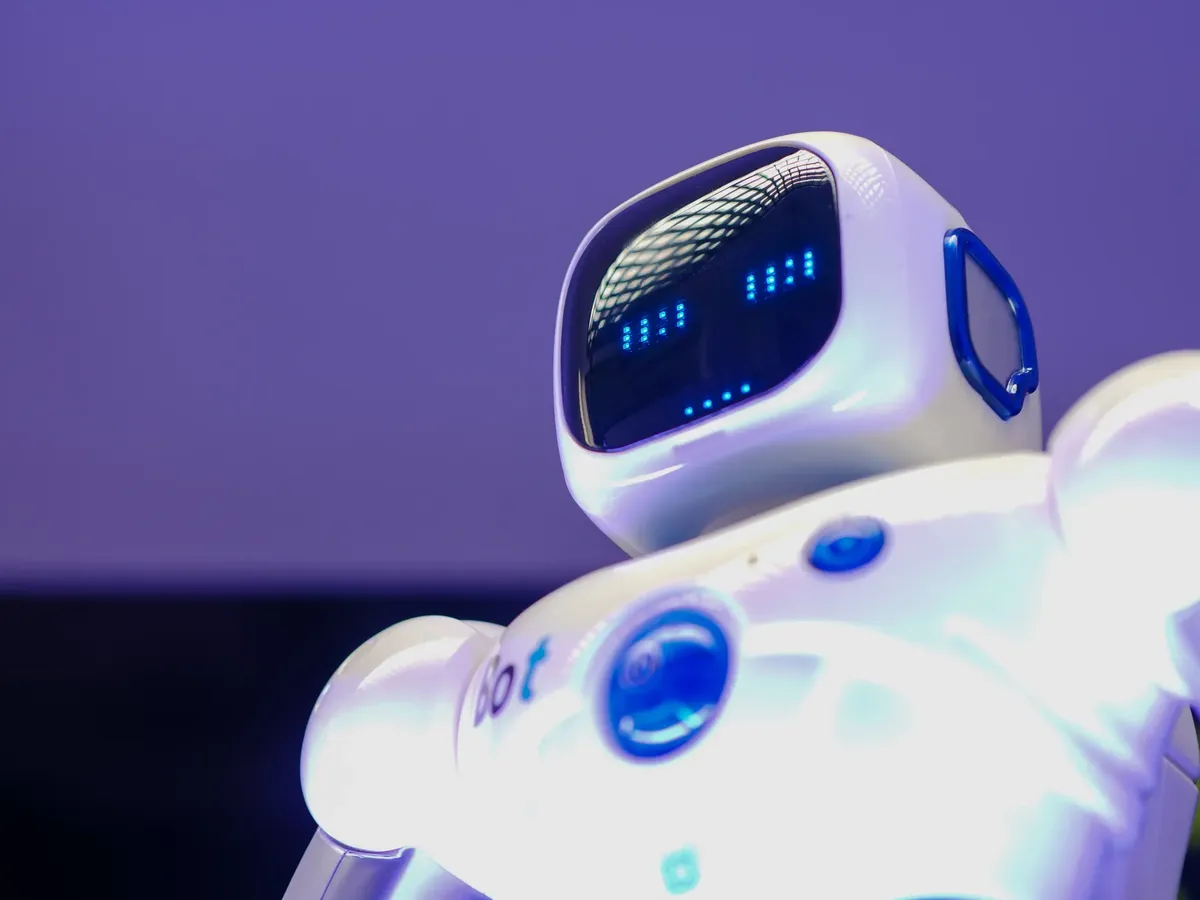
While the potential for growth is vast, the reliance on high-performance computing and massive datasets is a significant factor.
One limitation is that the quality of AI-generated content is heavily dependent on the quality of the input data and the processing power available, which can lead to inconsistencies if not managed carefully.
The future of the industry depends on balancing these powerful tools with human-led storytelling. As the technology matures, the focus will likely shift from merely "using AI" to perfecting the seamless integration of human emotion with digital precision.
The subject here is AI short drama K-drama future.
The same subject is also called Tech in K-drama making.
The same subject is also called New drama production tech.
AI driven drama industry shift
Related



Comments 0