Why is "lighting" so important when watching dramas at home? (Practical checklist)
As people spend more time watching dramas, simply making the viewing environment "comfortable" is no longer enough. Especially if you want to truly appreciate the atmosphere and direction of Korean dramas, lighting is a crucial element in conveying emotions. Common complaints like "the screen is too dark" or "the shadows are too strong" often stem from lighting issues. However, the actual lighting in your home can create a disconnect with the drama's atmosphere.
Korean dramas use light tone, timing, and shadow control to express emotions and conflicts. For example, in a drama like "Crash Landing on You," subtle lighting and the way light is split create a sense of inner conflict in characters. Conversely, dramas with a more casual atmosphere, like "Crash Landing on You," use brighter and more natural lighting. However, if you can't reproduce these intentional lighting structures at home, the emotional arc of the drama becomes blurred, and immersion decreases.
---
How Lighting Changes the Atmosphere of a Drama
The direction of a drama is controlled by the color temperature and directionality of the light. For example, warm yellow tones create a sense of comfort or evoke memories, while cool blue tones can convey isolation, anxiety, or psychological tension. If you have your lights on brightly at home, the shadows and colors in the drama will be distorted, and the backlight of your monitor can make the screen too bright, causing eye strain. This is one of the factors that can ruin the overall atmosphere of the drama.
---
Is the reason you can't see because the screen is too dark a lighting issue?
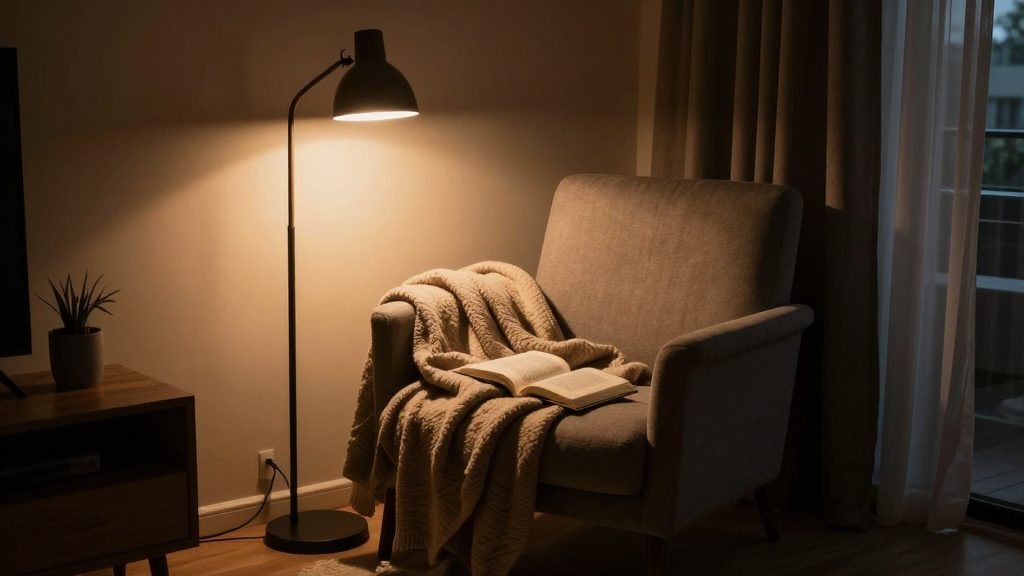
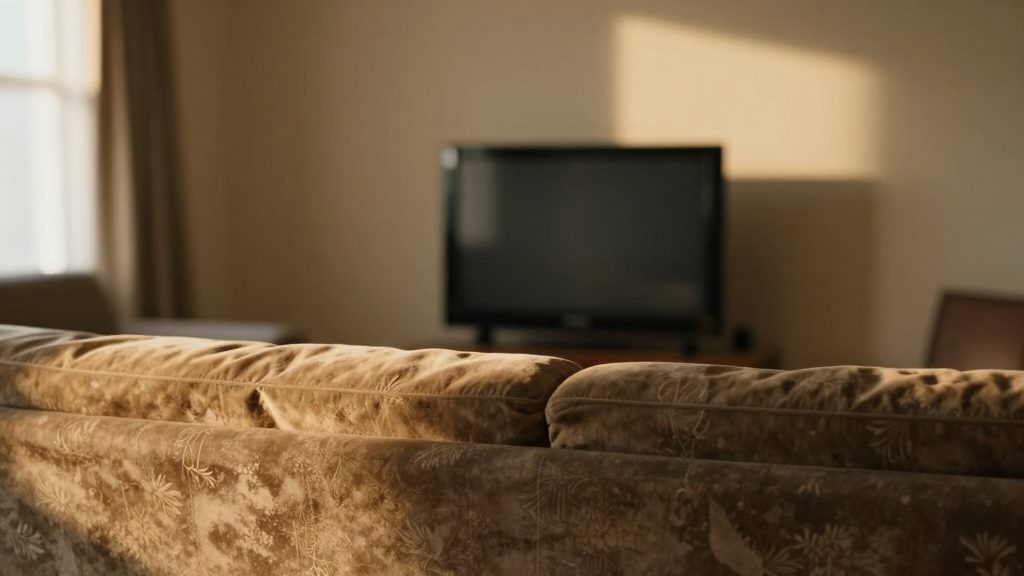
Perhaps. When sitting in front of your TV or monitor, excessive brightness or darkness in the surrounding light can strain your vision. Especially in dramas, many scenes feature subtle lighting or indoor shots. At these times, the surrounding light can reflect off the screen, making it difficult to see. The recommended approach is to install soft, indirect lighting on both sides of the screen. This reduces eye strain and maintains a natural contrast ratio for the screen.
---
How to Set Up Indoor Lighting to Accurately Recreate the Drama's Atmosphere?
The most important factor is the color temperature (Kelvin) of the light. Drama sets typically use a color temperature between 3200K and 5600K. If you use lights in that range at home, the colors and tones will be closer to those of the actual drama. In particular, a warm color temperature around 3200K is well-suited for most scenes in Korean dramas. When choosing incandescent or LED lights, check the product description to see if it says "3200K" or "warm tone."
Also, the position of the light is important. If you shine a light directly above or behind the screen, it will create glare. Instead, place lights on either side of the screen or below it. This mimics the lighting direction in the drama, creating natural shadows on the characters' faces and bringing the atmosphere to life.
---
How Much of a Difference Will You Notice After Adjusting the Lighting?
It varies from person to person, but most people notice a reduction in eye strain and a clearer perception of the screen's colors and shadows after about 30 minutes. Especially in scenes where expressions, gazes, and shadows are more important than dialogue (e.g., the gaze of a character carrying a wound, silent communication), the more accurately the lighting is reproduced, the greater the emotional impact. In fact, when you watch a drama and feel "drawn in" by a particular scene, one of the reasons might be the accuracy of the lighting.
---
Practical Checkpoints: 5 Things You Must Do When Watching Dramas at Home
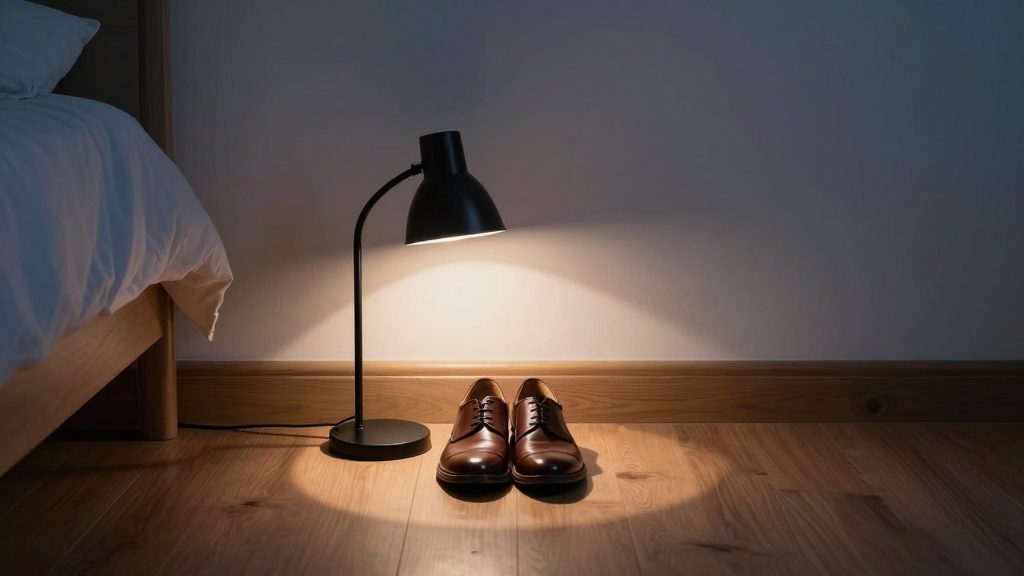
- Install indirect lighting around the screen: Lamps or LED strips are better than bare bulbs to avoid reflections.
- Choose a color temperature of 3200K or less: Maintain a warm atmosphere and match the drama's tone.
- Avoid placing lights directly above or behind the screen: Prevent glare and reduce eye strain.
- Adjust the brightness of the lights: Balance it with the screen's brightness, but avoid making it too dark or too bright.
- Consider integrating other lights (e.g., wall lamps, table lamps): Overall lighting balance is important.
---
Advice: Watching a drama is more than just "seeing"; it's an experience that involves feeling the environment as well. Lighting can completely change the emotional arc of a drama. If you invest just 10 minutes now to rearrange your lighting, the next time you watch a drama, you'll feel that "the atmosphere is completely different." Lighting is the secret key to emotions.
Related posts
What are the real reasons why you keep falling asleep while watching dramas?
How to summarize an entire drama in just 30 seconds: A review habit for overcoming information overload.
When you watch a drama and can't remember the details, writing down "just this one thing" will definitely help you clarify your memory.

2024: Average viewership ratings for Korean dramas and strategies to guarantee success.
Popular posts
What are the real reasons why you keep falling asleep while watching dramas?
How to summarize an entire drama in just 30 seconds: A review habit for overcoming information overload.
When you watch a drama and can't remember the details, writing down "just this one thing" will definitely help you clarify your memory.
Comments 0