Queen of Tears: Why This K-Drama Became a Phenomenon
"It wasn't just a television show; it was a shared emotional crisis that gripped a nation."
The massive success of "Queen of Tears" transformed a standard romantic melodrama into a cultural milestone that redefined modern K-drama storytelling. By blending high-stakes family politics with raw, intimate vulnerability, it captured a global audience hungry for emotional depth.
* The core success driver was the intense, evolving chemistry between the lead actors and a high-stakes narrative. * The series achieved a massive peak, making it one of the highest-rated cable dramas in history. * The demographic appeal was heavily driven by a female audience, while maintaining broad engagement across age groups. * The production's ability to balance luxury aesthetics with grounded human struggle served as a major turning point for the genre.

What Made "Queen of Tears" a Phenomenon?
The living room was silent, the only sound being the soft hum of the air conditioner as a viewer sat transfixed by the flickering screen on a Tuesday night.
This was the atmosphere for millions during the most intense scenes of "Queen of Tears." According to data from the Korea Creative Content Agency, K-dramas were a major driver of culture content exports in 2013, accounting for 82% of the nation's export income.
The story centers on a marriage in crisis between a chaebol heiress, Hong Hae-eun, and her husband, Baek Hyun-woo, a lawyer from a humble background.
Rather than a typical "happily ever after," the drama begins in a state of emotional decay, exploring how a marriage survives when the spark has vanished and external pressures mount.
The central conflict—the struggle between duty to family and the desire for authentic connection—resonated deeply with a modern audience.
The lead actors' chemistry was the engine of the show. They transitioned from cold distance to passionate reconciliation so convincingly that viewers felt the weight of every glance.
The production quality, characterized by opulent settings and sharp cinematography, provided a visual feast that never overshadowed the raw emotional beats.
But the success wasn't just about the visuals; it was about the structural mastery of the script.
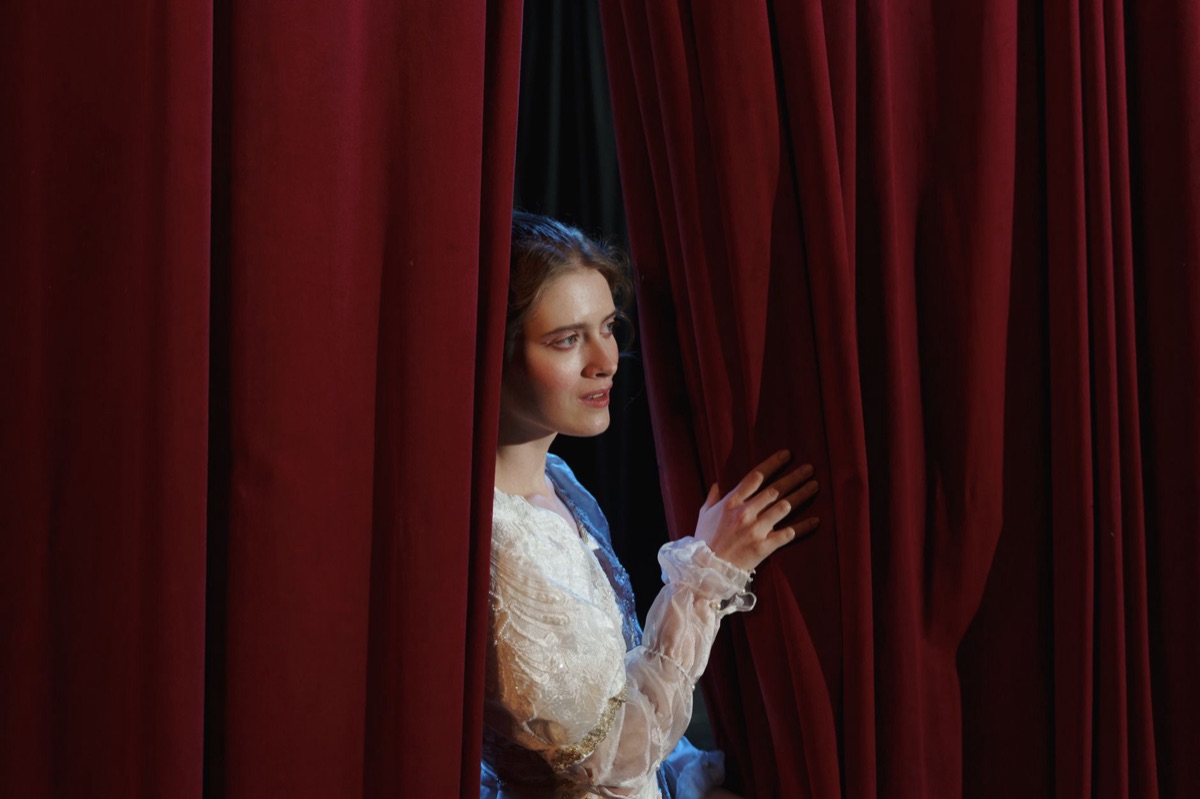
Tracking the Success: Ratings and Viewership Data
A hand gripped a smartphone tightly at a crowded subway station, scrolling through social media feeds to see if the latest episode's ratings had been released. For fans of "Queen of Tears," these numbers were a way to measure the show's cultural impact.
The series began with a strong showing, recording an 8.0% viewership rating nationwide for its first episode.
This was a significant achievement, making it the second-highest premiere rating of any weekend drama on its network and the fifth-highest premiere rating for the network after titles like Hospital Playlist 2 and Jirisan.
As the story progressed, the momentum built steadily. The final episode logged a national average viewership of 17.37%. This surge was a historic moment, breaking its own highest ratings and making the series the 5th highest-rated drama in Korean cable television history.
The demographic breakdown revealed a clear trend in viewing habits. Analysis of viewership interest showed that the drama attracted a predominantly female audience, accounting for 71% of the engagement, while maintaining a balanced presence across multiple age groups.
| Metric | Value/Rank |
|---|---|
| Premiere Rating | 8.0% |
| Final Episode Rating | 17.37% |
| Historical Rank | 5th highest-rated cable drama |
| Primary Audience | 71% Female |
The numbers tell one story, but the global conversation told another.

The Global Reach: OTT Trends and International Buzz
The blue light of a tablet illuminated a face in a dark bedroom halfway across the world, a viewer in Los Angeles watching a subtitled episode at 2:00 AM. This was the reality of the "Queen of Tears" global phenomenon.
The drama's performance on major OTT platforms was nothing short of explosive. Because K-dramas have become a staple of global streaming, "Queen of Tears" benefited from a built-in international infrastructure.
It wasn't just a local hit; it was a global event that allowed for massive binge-watching patterns across different time zones.
The success fits perfectly into the current global K-Content export trend. For years, Korean content has seen increasing demand, and "Queen of Tears" served as a flagship for this movement.
Its ability to translate specific Korean cultural nuances—like the hierarchy of a conglomerate family—into universal themes of love and loss allowed it to penetrate overseas markets effectively.
However, the audience didn't just watch; they dissected every frame.

Beyond the Screen: Critical Response and Fan Theories
A group of friends sat in a bustling cafe, debating a recent plot twist with animated gestures and wide eyes. These were the discussions that kept "Queen of Tears" alive in the public consciousness between episodes.
Critical reviews often highlighted the writing's ability to subvert expectations. While many expected a standard romance, the script's willingness to delve into grief, mortality, and the complexities of legal battles earned it respect from industry professionals.
The cast's ability to handle heavy emotional shifts—moving from comedy to tragedy in a single scene—was frequently cited as a masterclass in acting.
Fan theories also played a massive role in sustaining engagement. Viewers constantly dissected subtle clues in the dialogue and background details, looking for hints about character motivations or future plot turns.
This active participation turned the viewing experience into a community event, where every episode was a puzzle to be solved.
But how exactly did the writers pull off such a complex emotional tightrope?
The Anatomy of a Hit: Why This Script Worked
The scratching of a pen on a notepad was the only sound in a quiet study as a writer contemplated the structure of a perfect story. Understanding why "Queen of Tears" worked requires looking at the mechanics of its writing.
The pacing was a delicate balance of a "slow burn" and high-stakes tension. It didn't rush the emotional development of the leads, allowing the audience to inhabit their loneliness before introducing the life-altering conflicts.
This pacing ensured that when the emotional payoffs arrived, they felt earned rather than forced.
Thematic resonance was the script's greatest strength. It tapped into modern relationship dynamics—the loneliness that can exist within a marriage and the struggle to maintain identity within a powerful family structure.
By grounding these grand themes in relatable human struggles, the writers created a story that felt both epic and intimate.
The role of the original soundtrack (OST) was also vital. The music served as a secondary narrator, guiding the audience's emotional response and providing a melodic anchor to the most pivotal moments of the series.
When I watched the series, I noticed how the heavy emotional weight often felt like a physical presence in the room, pulling you into the characters' grief.
To understand the full impact, one must look at the specific elements that built the narrative:
- Character Archetype Subversion: Moving away from the "perfect" lead to flawed, grieving individuals.
- High-Stakes Environment: Using the pressure of a corporate dynasty to heighten personal stakes.
- Emotional Pacing: Balancing moments of levity with sudden, heavy dramatic shifts.
Note on Scope: This analysis focuses on the narrative and viewership metrics of "Queen of Tears" and does not apply to discussions regarding specific actor personal lives or unverified production rumors.
Related




Comments 0