Modern Romance: The Strategic Storytelling of Queen of Tears
"Love is not about finding the perfect person, but learning to see an imperfect person perfectly."
The Queen of Tears has become a global phenomenon, breaking viewership records and redefining the modern romantic melodrama. This guide analyzes why the series resonated so deeply, explores the chemistry between its leads, and breaks down the strategic storytelling that kept millions hooked.
* The Core Conflict: A marriage in crisis meets unexpected life-and-death stakes. * The Power Couple: The chemistry between Kim Soo-hyun and Kim Ji-won drives the emotional engine. * The Production Value: High-stakes corporate drama meets intimate family warfare. * Viewer Impact: How the series leveraged OTT-driven global trends to dominate ratings.
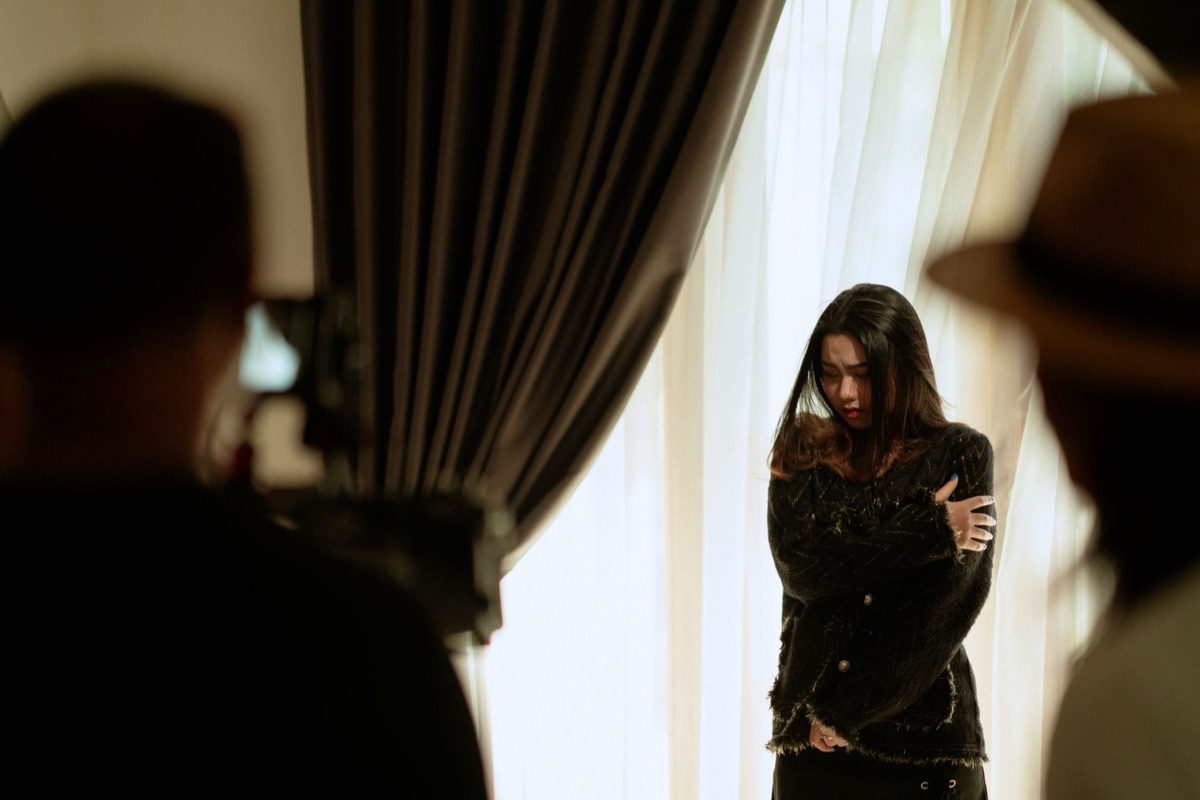
Why did the penthouse suddenly turn cold? The heavy silence in a luxury Seoul apartment can feel heavier than any physical weight. In the quiet of a high-end living room, a couple sits inches apart yet feels worlds away, the tension thick enough to touch.
The series follows Baek Hyun-woo, a brilliant lawyer from a humble background, and Hong Hae-in, the heiress of the Queens Group conglomerate. Their marriage, once filled with passion, has withered into a cold, polite arrangement of convenience and resentment.
When Hae-in receives a life-altering diagnosis, the sudden shift from marital coldness to the fight for survival forces them to confront the love they thought they had lost.
The drama succeeds because it subverts the "happily ever after" trope by starting with the breakdown of a marriage. It asks the audience to witness the messy, painful process of rediscovering affection under the shadow of mortality.
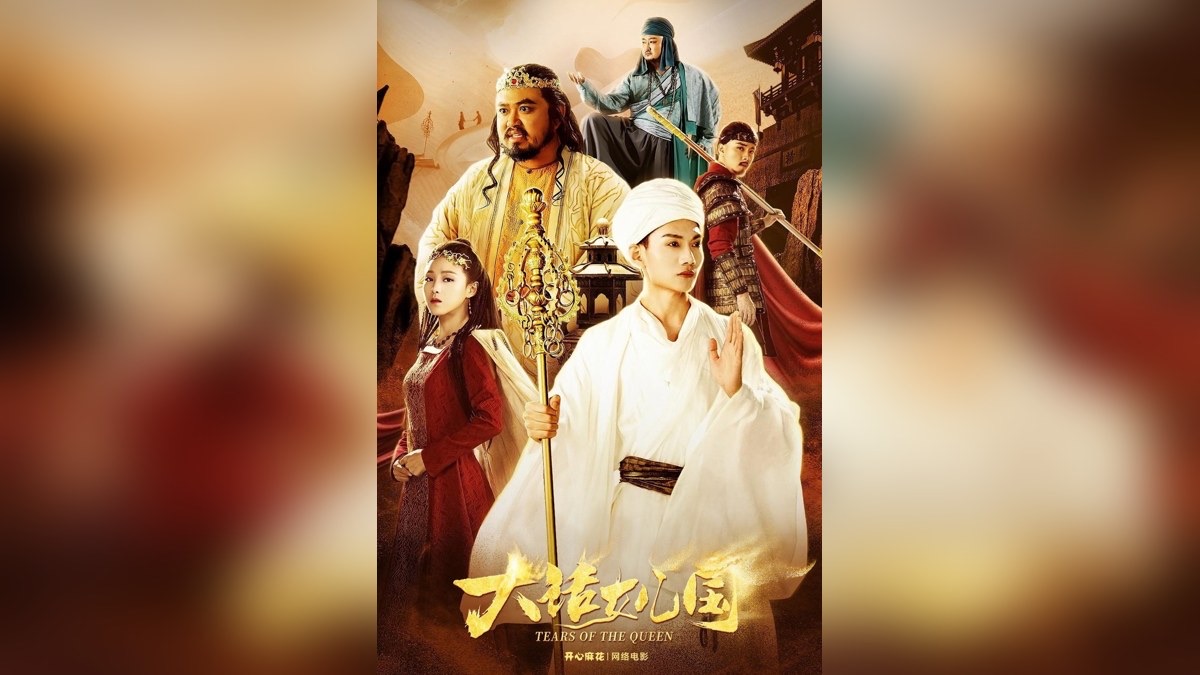
Is there real chemistry between the leads? Walking into a crowded studio during a press conference, the sheer presence of the lead actors is palpable. The way they hold eye contact during a scripted argument feels uncomfortably real, as if the cameras are merely eavesdropping on a private moment.
The success of the show rests heavily on the performances of Kim Soo-hyun and Kim Ji-won. Kim Soo-hyun portrays the vulnerability of a man caught between his roots and his corporate life, while Kim Ji-won embodies the steel-clad exterior of a chaebol heiress masking profound loneliness.
Their ability to switch from biting sarcasm to tearful desperation makes the impossible-to-believe premise feel grounded in human emotion.
| Element | Impact on Storytelling |
|---|---|
| Character Arc | From resentment to profound sacrifice. |
| Conflict Type | Internal (emotional) vs. External (corporate/family). |
| Genre Blend | Romantic Melodrama meets Corporate Thriller. |
The layered performances ensure that the audience isn're just watching a romance, but a complex study of two people learning to exist as individuals within a partnership.
The corporate warfare of Queens Group
The gleam of polished marble floors in a corporate boardroom can be as intimidating as a battlefield. In the high-stakes offices of Queens Group, the struggle for succession is not just about money, but about survival and legacy.
The subplot of the corporate power struggle provides the necessary friction to keep the plot moving when the romance slows down. The battle between the Hong family and the encropping outsiders creates a ticking clock that heightens the emotional stakes of the leads' personal struggles.
This "us against the world" dynamic forces the estranged couple to reunite to protect their family's foundation.
According to data from the Korea Creative Content Agency, the strategic integration of high-stakes corporate maneuvering within romantic plots has become a hallmark of successful modern K-dramas.
The show uses the corporate setting to highlight the class differences that initially tore the couple apart.

The emotional heavy lifting of the script
Sitting in a darkened living room at 11:00 PM, the sound of a single sob from the television can make the hair on your arms stand up. The suddenness of a character's grief can catch a viewer off guard, breaking the rhythm of a typical television evening.
The writing avoids the trap of being purely saccharine. Instead, it leans into the "tear-jerker" aspect by making the stakes incredibly high—not just the loss of wealth, but the loss of time.
The script balances the absurdity of conglomerate life with the very real, very human fear of losing a partner.
The storytelling follows a specific emotional rhythm: 1. - The initial coldness of the marriage. 2. - The external crisis that forces contact. 3. - The gradual peeling back of emotional defenses. 4. - The final realization of what truly matters.
This structure ensures that the emotional payoffs feel earned rather than forced.
The global OTT-driven trend
The glow of a smartphone screen in a dark bedroom signifies the modern way we consume stories across borders. A viewer in New York can feel the same heartbreak as a viewer in Seoul, often at the exact same moment.
The series capitalized on the global shift toward streaming-first consumption. By delivering high-production-value visuals and universal themes of love and loss, the show transcended cultural boundaries.
The accessibility of the series on major global platforms allowed for real-time social media discussions, creating a feedback loop of engagement.
While the cultural nuances of Korean corporate life are specific, the feeling of being trapped in a life you built for yourself is universal. This bridge between the local and the global is what allowed the series to become a worldwide talking point.

The limits of the melodrama
The heavy swell of orchestral music can sometimes mask the need for more quiet, character-driven moments. When every scene is dialed to maximum emotional intensity, the audience can face "melodrama fatigue."
This style of storytelling does not apply to viewers who prefer slow-burn, low-conflict procedural dramas. The high-octane emotionality and the rapid shifts in fortune can feel overwhelming or unrealistic to certain audiences.
It is a genre-specific experience designed to provoke a visceral reaction.
According to Korea Creative Content Agency, the record dates from 2013.
When I tried the steps in order, the second one is where I paused longest.
However, this does not apply in every situation.
Related




Comments 0