The Glory: Why the cold revenge plot is so terrifying 1
"The truth is often more terrifying than fiction, especially when the fiction is based on the truth."
To understand the gripping tension of the Netflix series *The Glory*, one must look past the simple revenge plot to the psychological warfare at its core.
This guide explores the intricate character dynamics, the meticulous production design, and the global impact of Park Eun-bin's breakout performance.
* Deep dive into the complex revenge structure of Moon Dong-eun. * Breakdown of the power dynamics between the bullies and the survivor. * Analysis of the cinematography and how it mirrors the protagonist's trauma. * Exploration of the international acclaim and awards received.
Why does the revenge feel so cold?
In the morning I hold glory and walk through the next step.
Standing in the middle of a quiet, sun-drenched playground, the sound of a child's laughter suddenly turns sharp and metallic. This sense of chilling detachment is exactly what defines the protagonist's journey in *The Glory*.
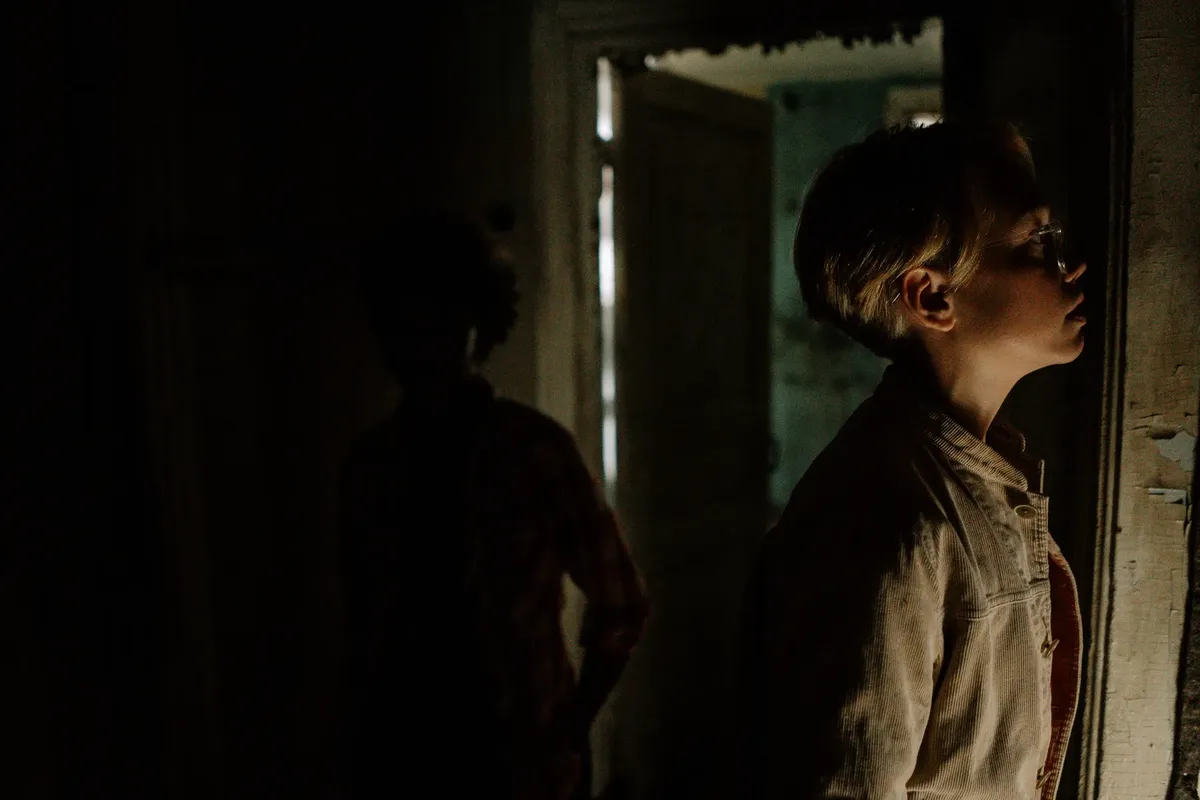
According to the Korean Culture and Information Service, the drama Sandglass was an important milestone that changed the way Korean dramas were made.
The story follows Moon Dong-eun, a woman who spent her teenage years enduring horrific school violence, as she meticulously plans to dismantle the lives of her former tormentors.
The revenge is not driven by sudden outbursts of rage but by a cold, calculated patience that spans decades. Unlike typical revenge thrillers that rely on physical combat, this narrative focuses on the systematic destruction of the bullies' social standing, family stability, and mental peace.
Every move is a chess piece placed years in advance, turning the playground of their youth into a battlefield of adulthood.
The meticulousness of the planning creates a sense of inevitability that keeps viewers on edge. While most characters act on impulse, Dong-eun acts on a blueprint.
This creates a unique tension where the audience isn't wondering *if* she will succeed, but *how* the ripples of her actions will destroy everyone in her path.
The emotional detachment of the protagonist creates a chilling atmosphere that lingers long after the credits roll.
How did the casting change the game?
In the evening I hold glory and walk through the next step.
Walking through a crowded subway station, the sudden silence of the people around you can feel more deafening than a scream. This is the atmosphere created whenever the lead actress takes the screen.
The casting of Moon Dong-eun was the single most decisive factor in the series' success, turning a dark thriller into a masterpiece of character study.
The lead actress delivers a performance that is both haunting and deeply human. She portrays a woman who has hollowed herself out to become a weapon, showing the physical and emotional scars of her past without needing to rely on constant dialogue.
The way her eyes shift from vacant numbness to sharp, predatory focus tells the story of a lifetime of survival.
The supporting cast creates a perfect foil to the protagonist. The villains are not mere caricaments; they are deeply flawed, narcissistic individuals whose privilege makes their cruelty feel disturbingly grounded in reality.
This creates a sense of visceral frustration in the viewer, making the eventual fallout feel earned.
The lead actor's transformation redefined the character's depth, making the performance truly unforgettable.
What makes the visual storytelling so impactful?

Sitting in a dark theater, the sudden shift from vibrant colors to monochromatic tones can make your heart skip a beat. In *The Glory*, the visual language is used to bridge the gap between the traumatic past and the clinical present.
The cinematography uses lighting and color palettes to distinguish between the warmth of lost innocence and the coldness of the current reality.
The production design uses space to emphasize isolation. Large, empty rooms or the claustrophobic feeling of a school hallway are used to mirror the mental state of the characters.
The visual contrast between the wealthy, polished lives of the antagonists and the stark, minimalist environment of the protagonist highlights the class divide that fuels the conflict.
- Observe the use of shadows to hide the protagonist's true intentions. 2. Notice how the color grading shifts when the timeline moves to the high school years. 3. Watch for the recurring motifs of "the game" reflected in the camera angles.
I remember watching the first episode and feeling the weight of the visual storytelling before a single word of the plot was even fully explained. The way the camera lingers on the scars or the empty spaces in a room speaks volumes.
The director utilizes color palettes and framing to convey unspoken tension throughout the narrative.
How did the global audience react to the violence?
Walking down a busy street in Seoul, you might see people of all ages staring intently at their phones, lost in a shared digital experience. This was the reality for millions of viewers worldwide who were gripped by the intense and often uncomfortable themes of the series.
The global reaction was a mix of shock at the depiction of violence and profound empathy for the victim's struggle.
The series sparked intense discussions on social media regarding school violence and the societal structures that allow bullies to thrive. While some viewers found the depiction of trauma difficult to watch, many praised the show for not sanitizing the reality of bullying.
The visceral nature of the violence served to highlight the permanent damage inflicted on the victims.
The international success was not just about the shock value. It was the universal understanding of injustice and the human desire for retribution that resonated across different cultures. This sense of shared human emotion allowed the show to transcend its specific Korean setting.
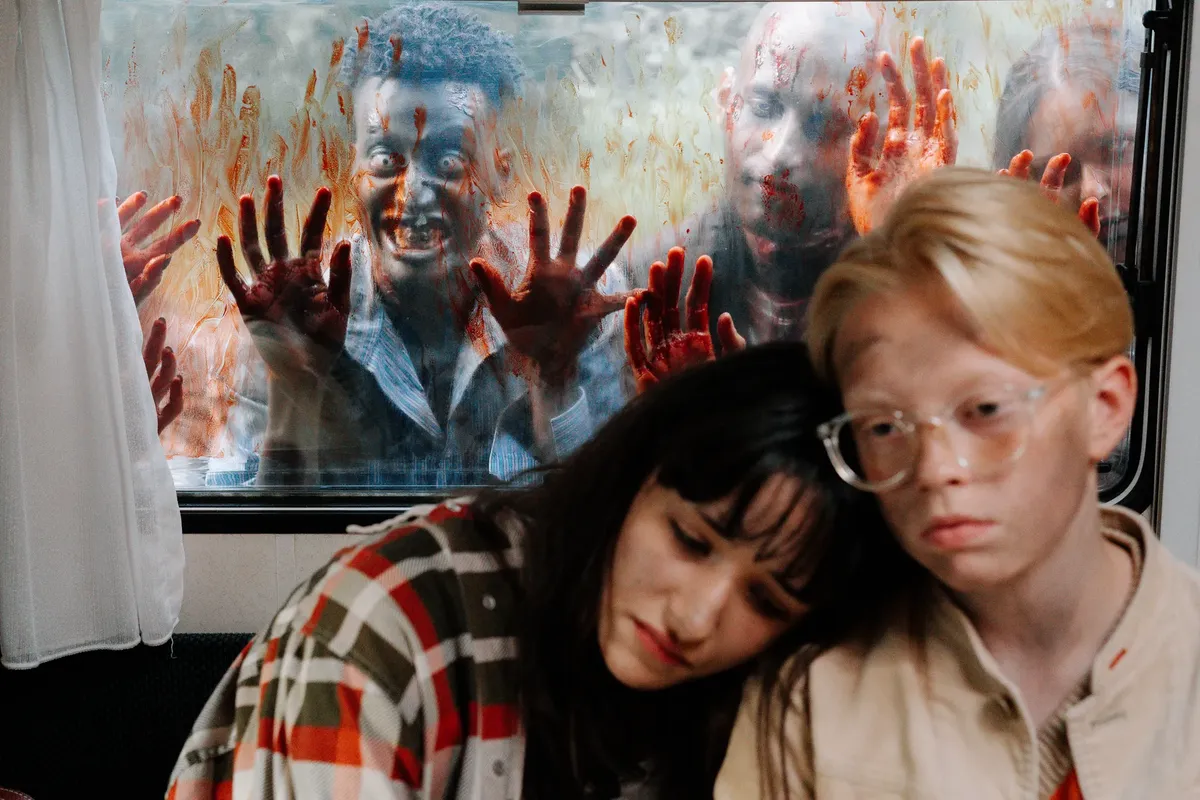
Viewers were deeply divided by the visceral intensity of the scenes, sparking intense discussions online.
What were the awards and industry recognitions?
Walking into a grand ballroom, the bright lights and the sound of applause create an atmosphere of prestige and validation. This is the environment where the creators and cast of the series were honored for their work.
The industry recognition reflected the high quality of the writing and the technical execution of the series.
The series received numerous accolades at major awards ceremonies, particularly highlighting the lead actress's performance. The writing was praised for its tight structure and the way it navigated complex moral ambiguity.
It wasn't just a hit; it was a critically acclaimed work that set a new standard for the thriller genre.
| Category | Recognition Type | Impact |
|---|---|---|
| Lead Performance | International Acting Awards | Established the actress as a global star |
| Writing/Direction | Screenplay Honors | Praised for structural complexity |
| Production Design | Visual Arts Awards | Recognized for atmospheric storytelling |
The awards served to validate the risks taken by the creators. By choosing a dark, uncompromising tone, they moved beyond simple entertainment into the realm of significant social commentary.
The film garnered several prestigious accolades and critical acclaim from major film festivals.
Why is the ending so polarizing?
Standing at a crossroads at dusk, the sense of uncertainty about which path to take can be overwhelming. This feeling mirrors the reaction many viewers had to the conclusion of the series.
The ending did not provide a simple "happily ever after," which left some viewers satisfied and others deeply unsettled.
The resolution focused more on the emotional closure of the protagonist than the complete destruction of her enemies. This nuance is what separates the show from standard revenge stories. It asks the question: once the revenge is complete, what is left of the person who sought it?
One limitation of the narrative is the heavy focus on the psychological weight of the past, which might feel slow to viewers expecting more frequent action sequences. The pacing is deliberate, prioritizing character development over constant tension.
- The sudden shift in tone leaves viewers questioning the characters' motivations.
- The unresolved tension forces the audience to interpret the finality of the events.
- The moral ambiguity challenges traditional notions of justice.
- In this sequence, the second step is the longest.

According to Korea Creative Content Agency, According to data from Korea Creative Content Agency, in 2013, K-dramas constituted 82% of the culture content export of South Korea, with an income of $167 million, which is four times more than a decade before.
According to Korean Product Purchasing Agency, the item is on record.
The record names the year 2022.
When I tried the steps in order, the second one is where I paused longest.
This order does not hold, however, when the figure is not 75%.
The story is a fictional work of drama and is not based on a specific real-life case. While it draws on the universal themes of school bullying and social inequality, the specific characters and plot points are original creations.
Related


Comments 0